
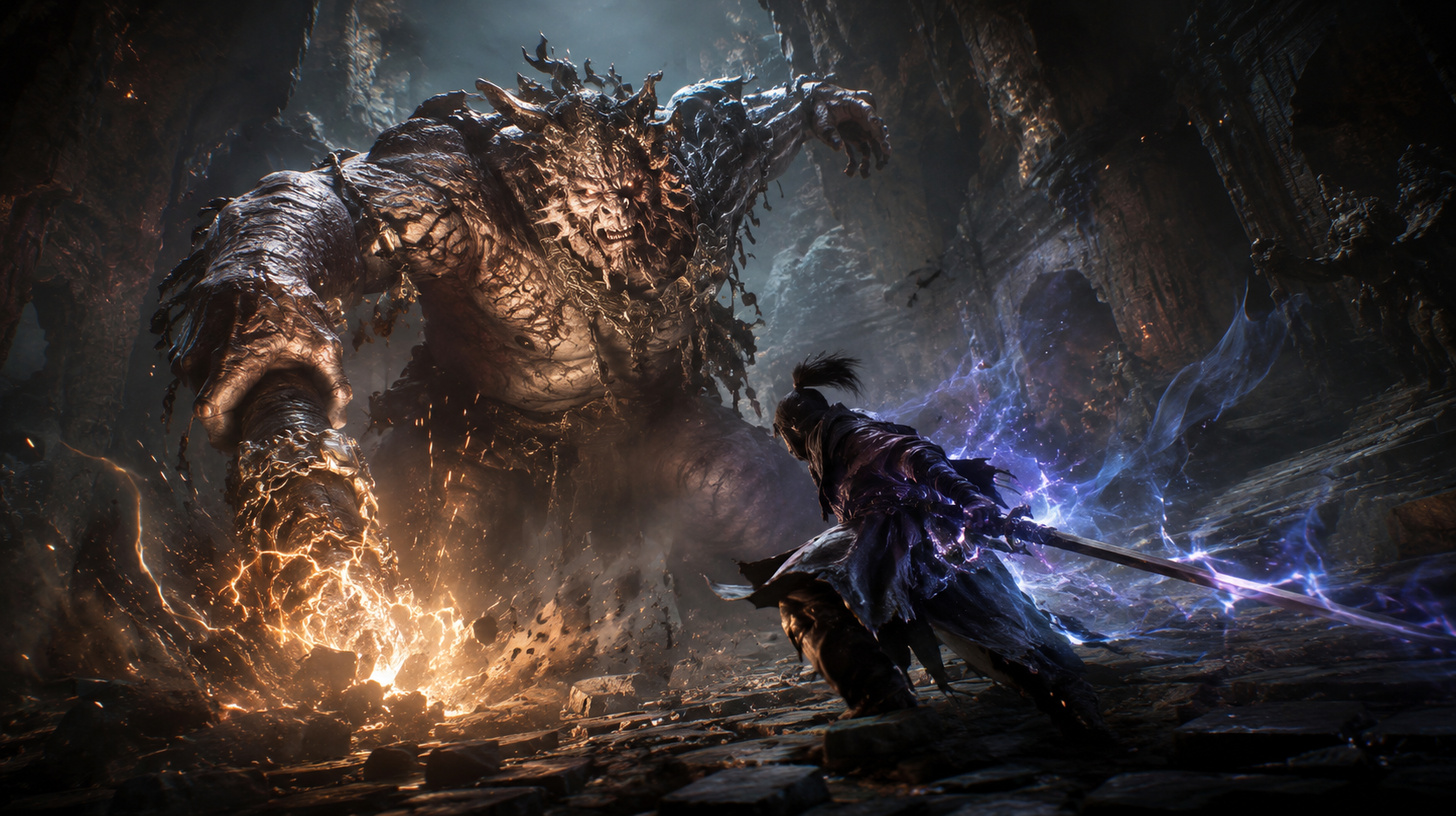
High difficulty in video games stopped being a drawback a long time ago. For some players, demanding gameplay is actually one of the main attractions: victory feels far more rewarding when it comes only after dozens of failed attempts, learning the mechanics, and developing your own strategy. The top hardest games span a wide range of genres, from action RPGs to platformers and strategy games. What they all have in common is that quick reflexes alone are rarely enough to beat them.
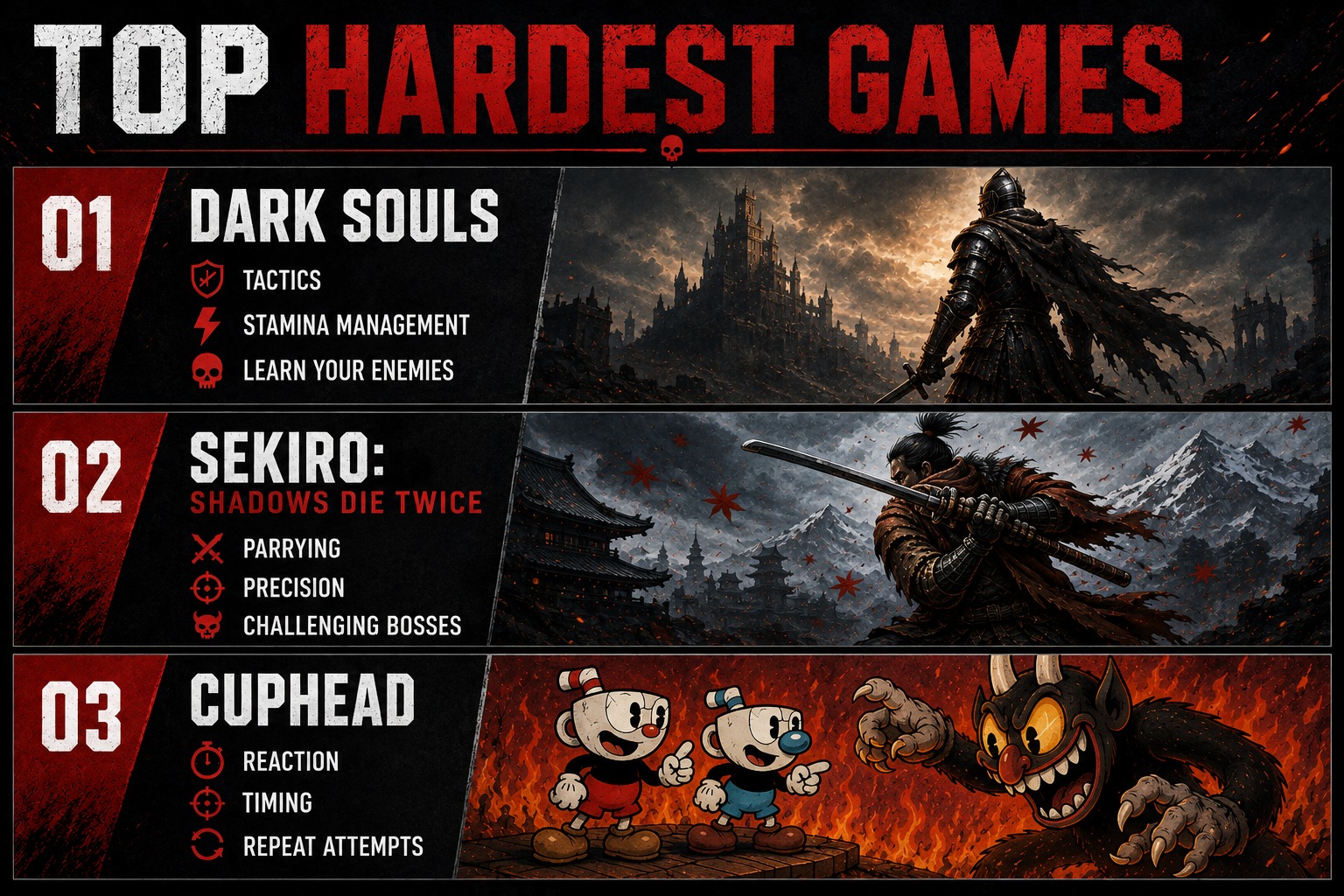
Dark Souls
The Dark Souls series largely shaped the modern idea of what a difficult game should be. Players are rarely guided by the hand, enemies can punish just a few careless decisions, and death means losing accumulated resources, with the risk of never recovering them on the next attempt.
However, the difficulty is not based solely on powerful enemies. Players need to study their attack patterns, choose the right weapons, manage stamina, and make proper use of brief openings to strike. This is exactly why Dark Souls regularly appears among the top difficult games. The first few hours may feel unforgiving, but gradually the underlying systems become clearer and victories start to feel earned rather than accidental.
Sekiro: Shadows Die Twice
While some of the challenges in Dark Souls can be offset by leveling up your character or finding better equipment, Sekiro is far less forgiving and requires players to truly master its combat system. Battles revolve around:
- well-timed blocks;
- parrying;
- maintaining pressure on the enemy.
The habit of constantly dodging can actually work against you here. Boss fights are particularly demanding. Many bosses require near-flawless execution across several consecutive phases. Players have to memorize attack patterns and change their established habits, which is why Sekiro deservedly ranks among the hardest games on PC and remains one of FromSoftware’s most demanding titles.
Cuphead
Visually, Cuphead resembles a vintage cartoon, but beneath its colorful hand-drawn art style lies an extremely demanding platformer. Much of the game revolves around boss battles, with each opponent constantly changing attack patterns and forcing the player to react quickly to what is happening on screen.
The difficulty is increased by the very small margin for error during each attempt. Players have to keep track of the enemy, dodge dozens of incoming hazards, and find the right moment to attack, all at the same time. Victory usually comes only after repeating the same battle over and over, until the required movements become almost automatic.
Other games that can truly test your nerves
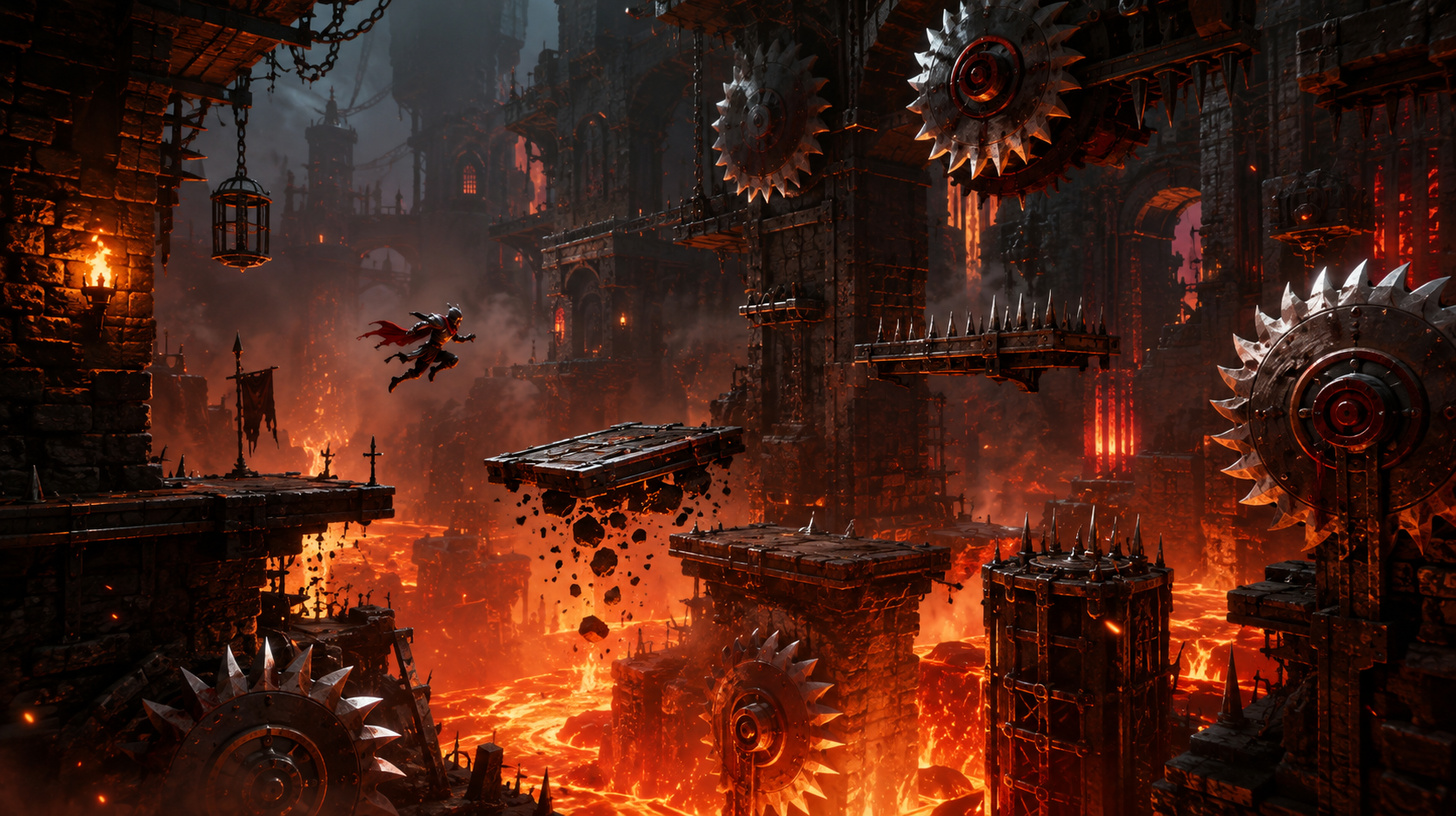
Difficulty can take many different forms. In some games, the main challenge is precise controls; in others, it is understanding a complicated set of rules. Sometimes developers simply leave almost no room for mistakes.
The top hardest games on PC can also include:
- Getting Over It with Bennett Foddy – a single failed move can wipe out several minutes of progress;
- Super Meat Boy – a platformer that demands exceptionally precise jumps and split-second decisions;
- Nioh 2 – combines fast-paced combat with deep equipment and character progression systems;
- XCOM 2 on higher difficulty settings – forces players to make decisions with long-term consequences and accept the loss of experienced soldiers;
- Sifu – requires players to master combos, dodges, and parries while also limiting how many defeats they can afford.
What makes a difficult game good
High difficulty works only when players understand why they failed. If, after dying, you can identify the mistake and approach the next attempt differently, the experience remains motivating. Random deaths or awkward controls, by contrast, can quickly turn a challenge into frustration.
That is why the best difficult games do more than simply place obstacles in the player’s way. They gradually teach their rules, encourage players to apply what they have learned, and provide a clear sense of personal improvement. At first, a boss may seem almost impossible to defeat, but after several attempts, the player begins to recognize its attacks and knows exactly when it is worth taking a risk.